


|
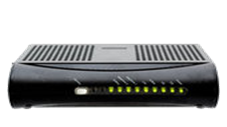
Definition A network switch is a small hardware device that joins multiple computers together within one local area network (LAN). Technically, network switches operate at layer two (Data Link Layer) of the OSI model. Network switches appear nearly identical to network hubs, but a switch generally contains more intelligence (and a slightly higher price tag) than a hub. Unlike hubs, network switches are capable of inspecting data packets as they are received, determining the source and destination device of each packet, and forwarding them appropriately. By delivering messages only to the connected device intended, a network switch conserves network bandwidth and offers generally better performance than a hub. As with hubs, Ethernet implementations of network switches are the most common. Mainstream Ethernet network switches support either 10/100 Mbps Fast Ethernet or Gigabit Ethernet (10/100/1000) standards. Different models of network switches support differing numbers of connected devices. Most consumer-grade network switches provide either four or eight connections for Ethernet devices. Switches can be connected to each other, a so-called daisy chaining method to add progressively larger number of devices to a LAN. |
|
Communication Consultants |
|
Paul Colmer & Associates |



|
Network switches |
|
We are able to provide and support all major suppliers of Ethernet switches for LAN and WAN network implementation. |
Product Summary
|




|
Home |



|
About Us |


|
Open Source |

|
Service List |


|
Product List |
|
ComX Servers |

|
Custom Servers |

|
Network Switches |
|
IP Phones |

|
Analogue adaptors |

|
UPS & Inverters |

|
Case studies |

|
News Article |
|
Contact Us |

|
About Us |